
Runnels County Criminal Court Cases
Runnels County criminal court cases do not all sit at one desk. The 119th Judicial District Court hears felony matters, and the Runnels County District Clerk keeps those case files. The Texas Office of Court Administration directory confirms that the clerk accepts criminal filings and uses Local Government Solutions, often shortened to LGS. Class A and Class B misdemeanors route to the county-level court and County Clerk. Fine-only state offenses and city ordinance cases may instead belong to a justice or municipal court.
That venue split matters before any name search begins. District Clerk Tammy Burleson can be reached at 325-365-2638 for district criminal files. The County Clerk uses 325-365-2720 for county matters. Justice of the Peace Precinct 1 is at the courthouse, while Precinct 2 is on South Church Street in Winters. Ballinger and Winters municipal clerks hold their own city dockets. A result missing from one Runnels County clerk may simply be filed in another court.
Runnels County Clerk Case Counters
The Runnels County Courthouse directory places the main physical records hub at 613 Hutchins Avenue in Ballinger. Ask the District Clerk for a felony docket, indictment, order, judgment, sentence, or certified disposition. Ask the County Clerk about a Class A or B misdemeanor. The county does not publish criminal counter hours, archive retrieval rules, or a local certified-copy fee schedule, so call before travel and ask how the requested Runnels County court record can be delivered.
Runnels County District Clerk
613 Hutchins Avenue
P.O. Box 166
Ballinger, TX 76821
325-365-2638
rcdc@co.runnels.tx.us
Runnels County Clerk
613 Hutchins Avenue
Ballinger, TX 76821
325-365-2720
Call to confirm access and copy options.
Older Runnels County criminal cases may need an archive pull rather than a web result. Give the clerk a full name, an approximate filing year, the offense level if known, and a case number when available. Request the docket first. It identifies the filings worth ordering and helps avoid paying for papers that do not answer the question.
Searching Runnels County Case Records
No inspected county page exposed a public LGS criminal search. A direct clerk request is therefore the sound starting point for Runnels County case records. The statewide re:SearchTX interface has broad court-search tools, yet the Texas Judicial Council reported that its large document collection excluded criminal case records. Do not treat a blank statewide result as proof that no Runnels County criminal file exists.
- Identify whether the allegation was a felony, Class A or B misdemeanor, fine-only state offense, or city ordinance matter.
- Contact the matching District, County, justice, or municipal clerk with the full name, approximate year, and case number if known.
- Ask for the docket or register first, then use its entries to select the complaint, indictment, order, judgment, or sentence.
- Confirm whether the Runnels County document can be inspected, emailed, mailed, or must be picked up at the clerk counter.
- Order a certified disposition when the record will be used to correct a missing result at Texas DPS.
For general interface research, re:SearchTX offers these controls. Their presence does not establish current Runnels County criminal coverage.
| Search control | Type | Use | Coverage note |
|---|---|---|---|
| General Search | Text | Broad starting field | May lead to case or party matches |
| Cases or Hearings | Mode | Select the record view | Inputs change with the mode |
| Search By | Dropdown | Party, attorney, judge, case, or hearing | Use an asterisk for supported name wildcards |
| Sort | Choice | Filed date or case number | Results may be exported |
Note: Registered re:SearchTX users may see document charges, but local criminal availability must still be confirmed with the Runnels County clerk.
When Runnels County Cases Vanish
A common search error is using one state portal as if it were the complete Runnels County criminal index. The documented criminal-record gap in re:SearchTX makes the local clerk the authoritative fallback. A second error is searching only the District Clerk for a misdemeanor. Class A and B matters can sit with the County Clerk, while a fine-only citation can remain with a municipal or justice court.
The Texas DPS Crime Records Division explains the separate statewide criminal-history system. Its role is different from a court docket. The image below shows that official state source.
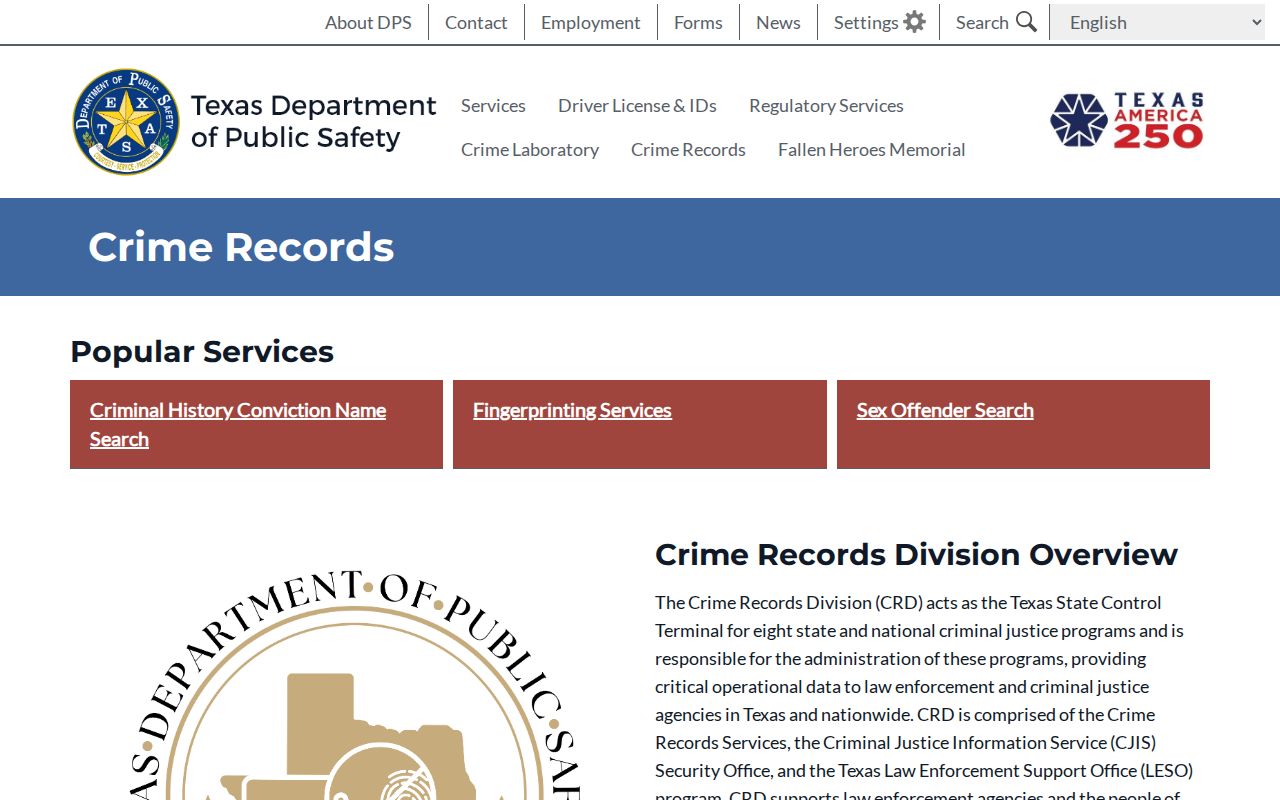
DPS can report qualifying arrest and disposition data, but the Runnels County clerk file remains the source for filed motions, signed orders, and the full local judgment.
If a case still cannot be found, verify spelling, aliases, the filing year, the arrest city, and the offense level. Ask whether an older file is not digitized. Multi-count cases, transfers, special assignments, and local routing can also change the courtroom without changing the clerk who holds the case.
Inside a Runnels County Case File
The docket is the index to a Runnels County criminal case file. It places filings and hearings in date order, while the charging paper states what the prosecutor actually brought to court. An information commonly charges a misdemeanor. A grand-jury indictment is the felony charging instrument. The signed judgment and sentence answer the outcome more directly than an arrest entry or a jail roster snapshot.
| Case Number and Court | Identifies the cause and the Runnels County court responsible for the file. |
|---|---|
| Charging Document | Shows the filed allegation through a complaint, information, or indictment. |
| Docket Entries | Lists filings, settings, hearings, pleas, motions, and orders in sequence. |
| Parties and Counsel | Names the parties, attorneys, prosecutor, judge, and other judicial officers where recorded. |
| Disposition and Judgment | States whether a charge was dismissed, ended in acquittal, was deferred, or resulted in conviction. |
| Sentence and Conditions | Records confinement, community supervision, fines, fees, restitution, and other signed terms where applicable. |
Local LGS fields may also include charge, offense level, bond, financial balance, and later docket events. Exact public display fields were not available for inspection, so the clerk should confirm what can be viewed remotely and what requires a paper or certified copy.
Runnels County Certified Dispositions
A certified disposition is the practical endpoint when a Texas criminal-history entry lacks the final Runnels County result. First identify the correct court, then ask its clerk for a certified copy that bears the issuing court's certification or embossed seal. Texas DPS says an ordinary photocopy is not enough for a missing-disposition correction unless it bears the court's embossed seal.
The DPS criminal-history FAQ explains access limits, fingerprint review, fees, and correction steps. This official view supports the correction route discussed here.
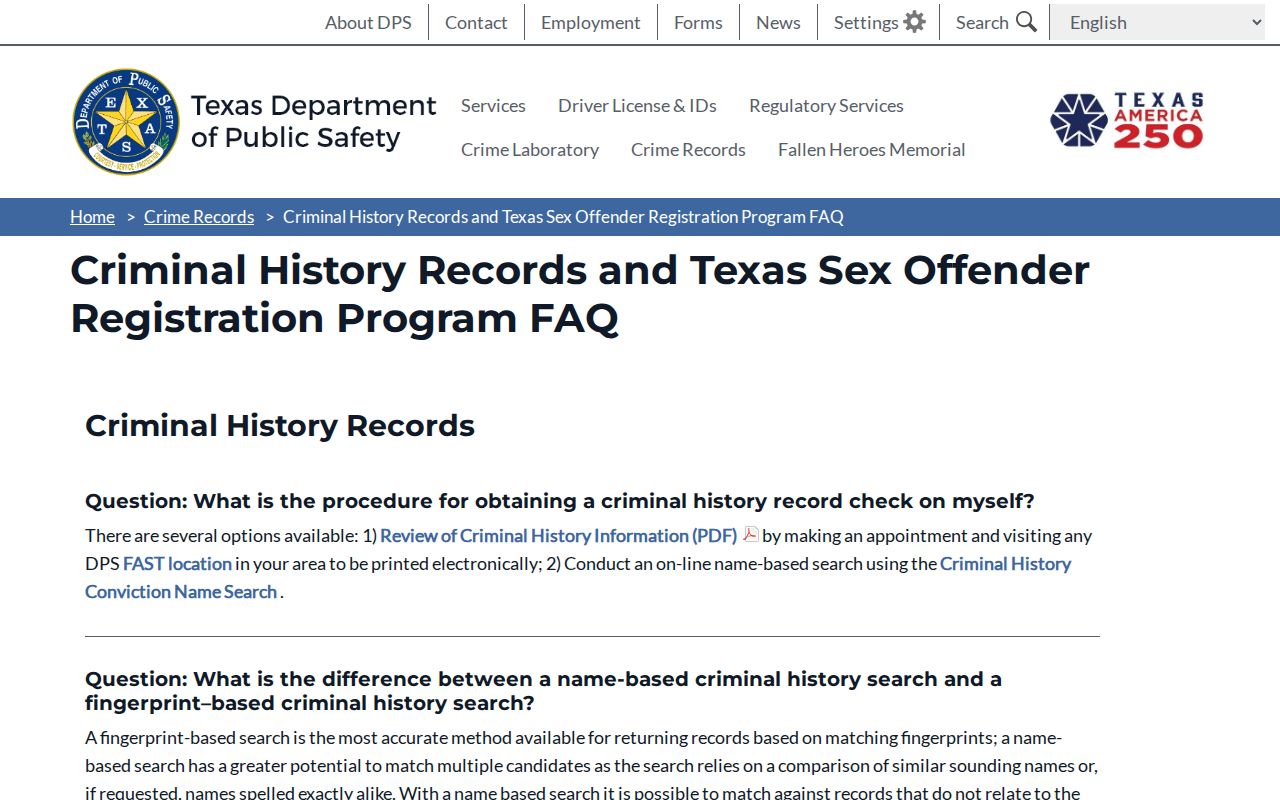
The certified Runnels County court record ties the repository entry to the actual judgment and gives DPS an authoritative source for updating the disposition.
Review the court document before sending it. Match the name, cause number, charge, and outcome to the disputed CCH cycle. If the docket shows a dismissal, deferred adjudication, acquittal, or conviction, use that exact term. A dismissal ends prosecution on that charge but does not by itself erase the arrest or booking record.
How a Criminal Case Moves
A Runnels County criminal case begins its court life after the arrest record and prosecutor review. A complaint can support the early process. A misdemeanor information may then be filed, while a felony generally proceeds through a grand-jury indictment. Arraignment records the plea. Discovery and pretrial motions follow before a negotiated plea or trial. The judgment and sentence close the trial-level path, subject to appeal and later reporting.
Case flow: Charges Filed › Arraignment › Pretrial › Plea or Trial › Disposition › Sentencing
Each step can create a distinct Runnels County docket entry or document. A pending setting is not an outcome. Deferred adjudication withholds an immediate judgment of guilt during supervision, but Texas DPS may still publicly disseminate qualifying deferred history unless legal relief applies. An acquittal is a not-guilty result and may support expunction under the current statute.
Reading Runnels County Case Outcomes
Short docket terms can change the meaning of a Runnels County case search. Read the disposition for each charge rather than assuming one result controls every count. The signed order or judgment is stronger proof than a search-list label, especially where an older docket has not yet reached the state repository.
- Dismissed
- The prosecution ended without a conviction on that charge.
- Acquitted
- A judge or jury returned a not-guilty outcome.
- Deferred adjudication
- The court withheld an immediate judgment of guilt while supervision was completed.
- No-billed
- The grand jury declined to return an indictment.
- True-billed
- The grand jury returned an indictment for prosecution.
The Crime Records Division contact page lists the state bureaus that address repository questions.
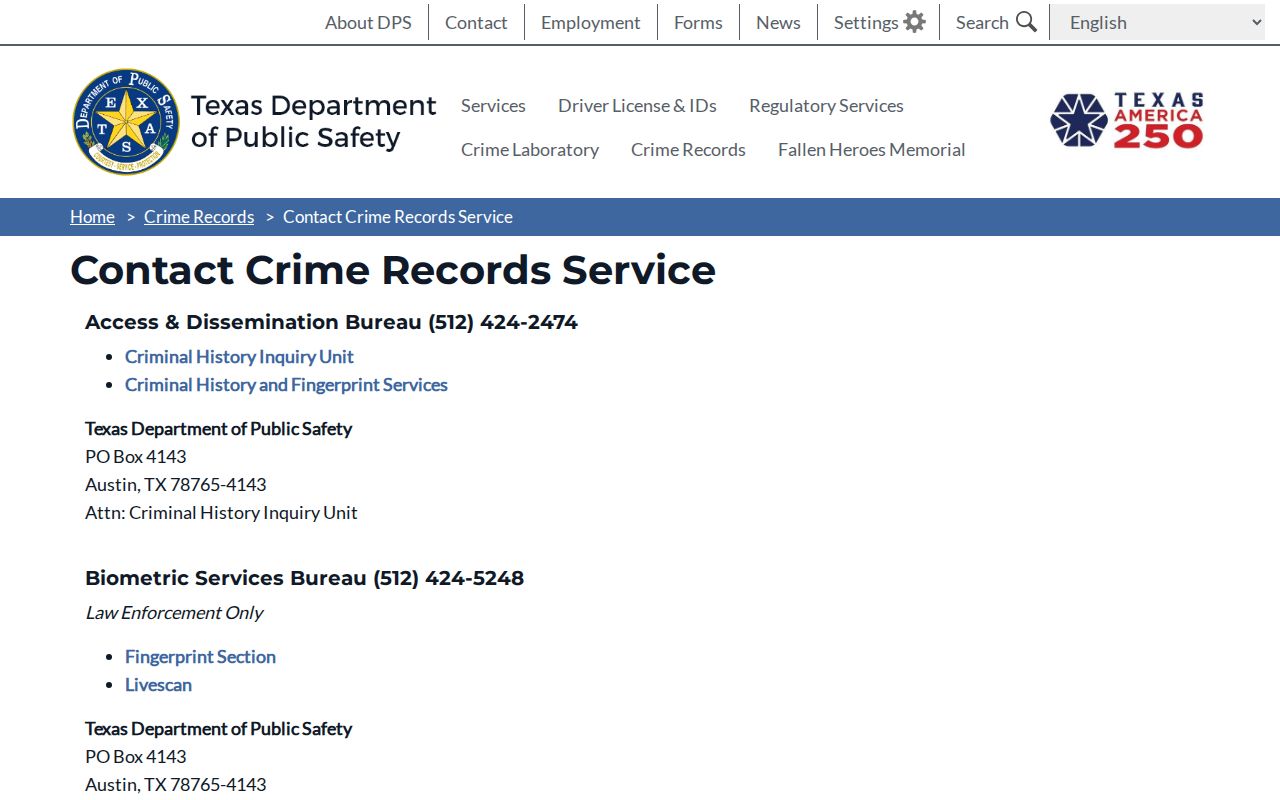
Use that state contact only after obtaining the precise Runnels County court disposition needed to explain or correct the repository entry.
Case Record Access & Restrictions
Public access to Runnels County court records does not remove every legal limit. Juvenile justice information, victim identifiers, Social Security numbers, driver-license data, medical details, and other protected data may be withheld or redacted. Expunged records are not ordinary public files. An order of nondisclosure restricts public dissemination but does not destroy every copy or prevent all authorized agency access.
Judicial records also follow court-controlled access rules that differ from a routine request under the Texas Public Information Act. Ask the clerk for an existing, identifiable document. A public-information request does not force a Runnels County office to create an answer, legal summary, or new report. Pending law-enforcement material can be withheld under Government Code section 552.108 even when later court filings become open.
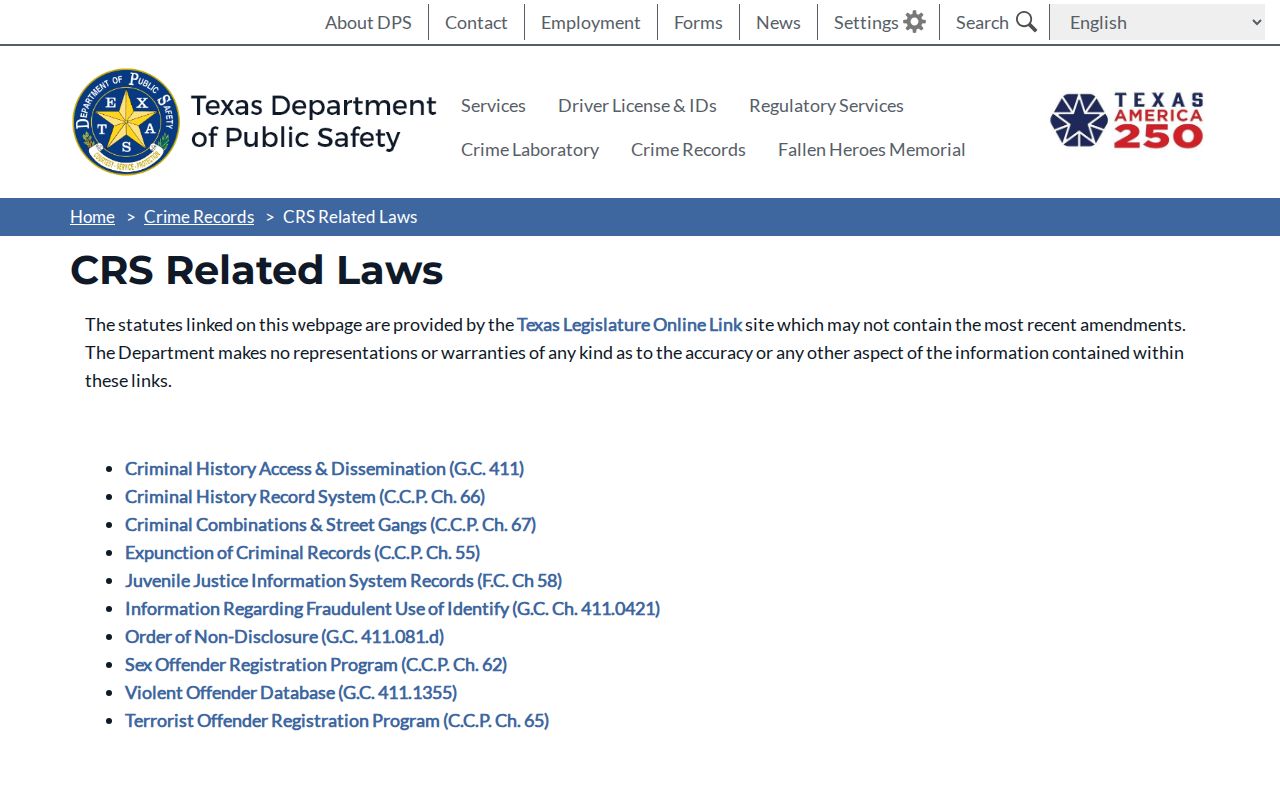
The state-law index helps identify the governing rule, while the Runnels County clerk decides how the requested local judicial record can be inspected or copied.
Runnels County Appointment Records
The District Clerk posts monthly Court Appointed Attorney Fee Records. Those reports confirm that Runnels County uses appointed private counsel for eligible people rather than a standalone public defender office found in the inspected sources. They offer a narrow view of appointment payments, but they are not a substitute for the underlying criminal docket, charging paper, judgment, or sentence.
For a specific case, use the cause number to ask the Runnels County District Clerk for the docket and filed appointment order. The appointing court determines eligibility. The clerk preserves the filing, while the prosecutor does not serve as the case-record custodian. This distinction keeps a records request aimed at the office that can actually produce the court paper.